A new tier of specialized GPU providers is renting out the exact same NVIDIA silicon for a fraction of the hyperscaler price. For AI-heavy teams, reaching for AWS by reflex is no longer the obvious move.
There is a class of cloud provider that has been quietly absorbing the heaviest AI workloads in the industry, and most enterprise buyers still could not name three of them. They are called neoclouds, and the names that matter are CoreWeave, Lambda Labs, RunPod, Vast.ai, Together AI, and Crusoe Energy.
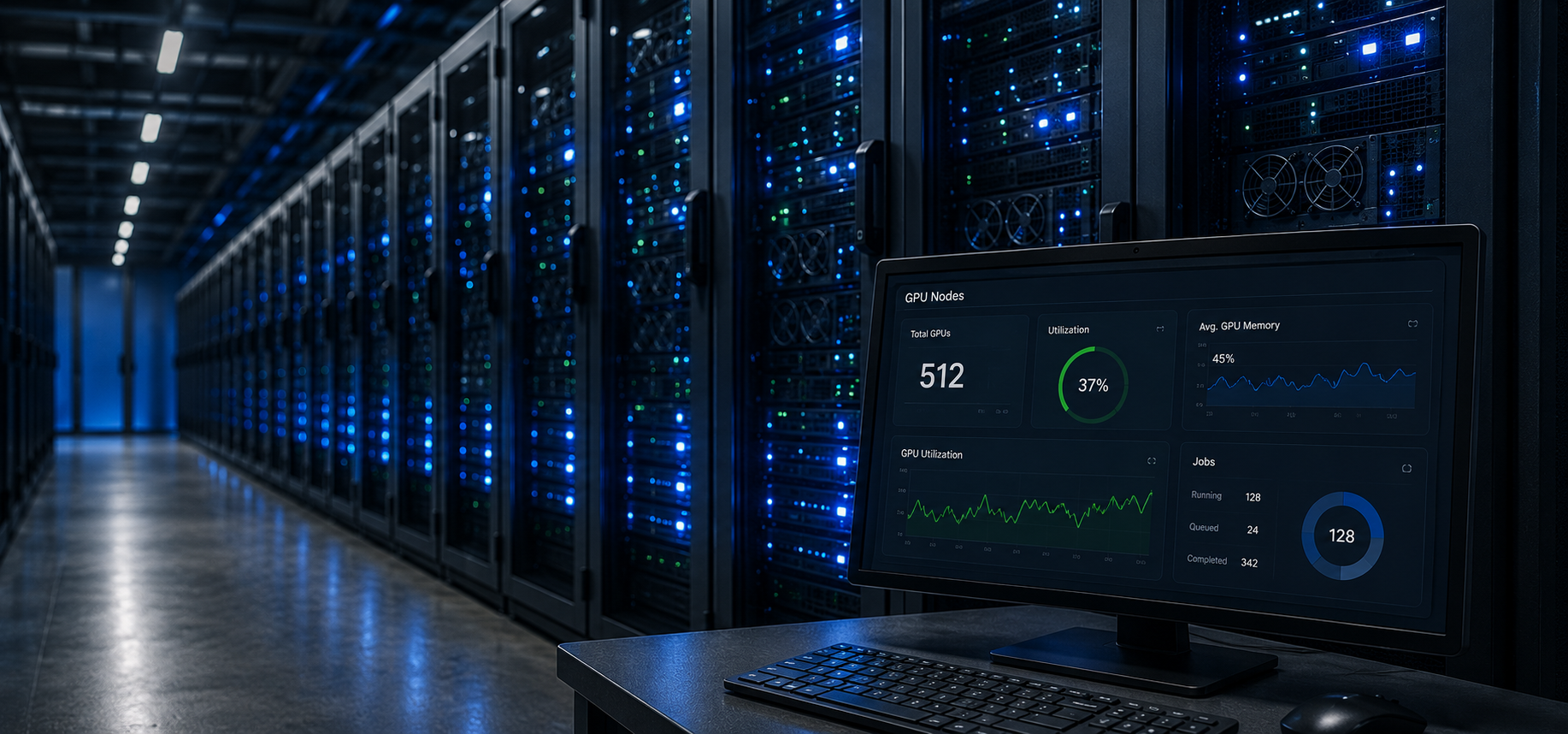
Their pitch is almost insultingly simple. They rent NVIDIA GPUs on bare metal, wired together with InfiniBand, and they do close to nothing else. No managed databases. No serverless. No sprawling catalog of two hundred services. And for that same H100 you would rent from a hyperscaler, they charge somewhere between 60 and 85 percent less.
That is not a typo or a promotional teaser rate. McKinsey's analysis puts the gap squarely in that range for identical silicon. An H100-hour that runs roughly $98 at a major hyperscaler runs closer to $34 at a neocloud. Same chip. Roughly two-thirds off.
Why the gap is structural, not promotional
The instinct is to assume a catch. Worse hardware, older chips, a bait-and-switch on availability. Mostly there isn't one. The neocloud advantage is not cleverness. It is refusal.
A hyperscaler has to amortize an enormous estate into every price it quotes. Identity services, compliance certifications, hundreds of managed products, global sales coverage, the whole apparatus of being everything to everyone. When you rent a GPU from one of them, you are paying a thin slice of all of it, whether you touch those services or not. The neocloud built none of that. It does one thing, sells one thing, and prices one thing.
The neocloud's edge isn't that it is smarter than the giants. It is that it had the discipline to build less, and the giants cannot un-build what they already have.
This is the contrarian truth the market keeps under-weighting. We tend to assume the incumbent's breadth is a strength. In raw GPU economics, it is a tax. The specialist wins precisely because it has nothing else to subsidize.
The money is already moving
If this were a fringe arbitrage, it would not show up in revenue. It does. CoreWeave crossed roughly $5 billion in annual revenue faster than any cloud platform in history, and is sitting on a backlog reported near $66 billion. That is not a rounding error inside the AI buildout. That is a structural reallocation of where intensive compute gets bought.
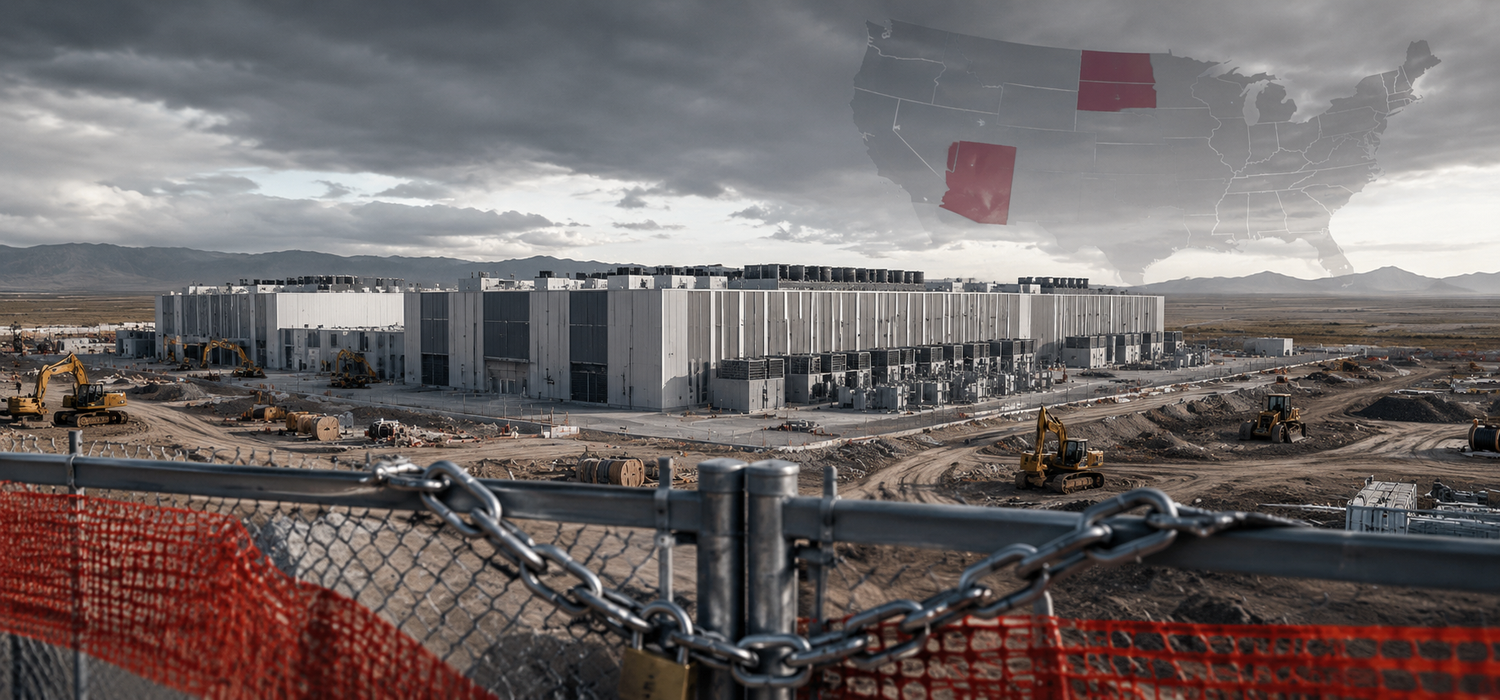
Notice what the leaders are now fighting over. The conversation has shifted from a GPU race to what people in the sector openly call power wars. Contracted electrical capacity, the megawatts you have actually locked in, has become more strategically valuable than the chips themselves. You can buy GPUs. You cannot conjure a substation. Crusoe's whole thesis is built on owning the power before owning the silicon, and that ordering tells you where the real scarcity has migrated.
Same silicon, different bill
Dimension | Hyperscaler | Neocloud |
|---|---|---|
Price per H100-hour | ~$98 | ~$34 (roughly 66% less) |
Services breadth | Hundreds of managed products | GPUs and little else, by design |
Networking | Standard cloud fabric, GPU options layered on | Bare-metal with InfiniBand as the default |
Best-fit workload | Mixed apps needing the full platform | Training and high-density inference |
How to read it: The price line is the headline, but the bottom row is the real decision. You pay the hyperscaler premium for breadth you may never use; the neocloud strips the menu to the one item heavy AI work actually needs.
Complement, not replacement
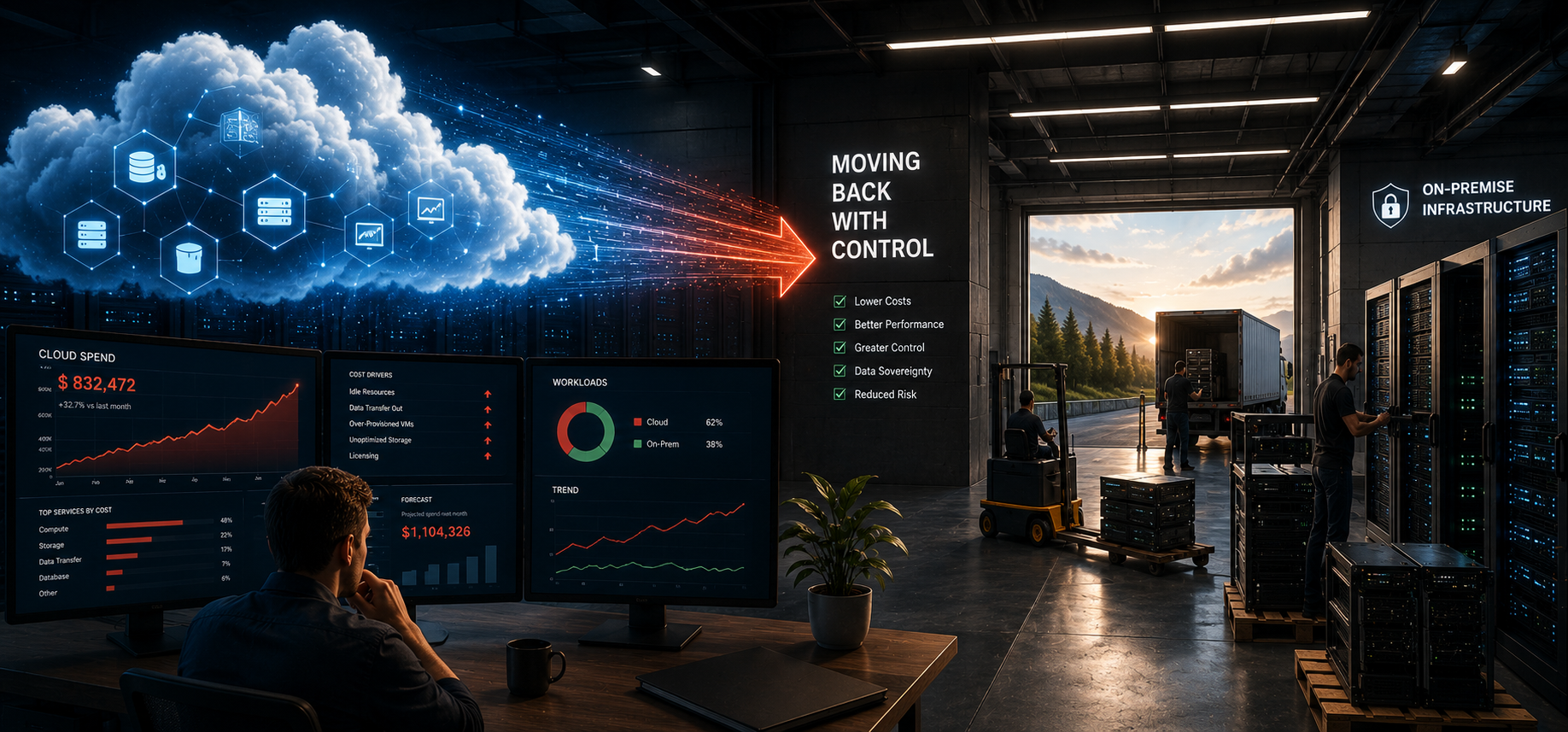
The lazy framing is neoclouds versus hyperscalers, winner take all. That is not how it is shaking out. Neoclouds are settling into a position between the raw silicon and the model, a layer that delivers GPU density and token economics the general-purpose clouds were never architected to match. Your application, your data services, your orchestration can still live on a hyperscaler. The training run and the high-volume inference do not have to.
That decomposition is the actual shift. For years, "the cloud" meant one provider for everything because the friction of splitting was high. The economics now make a split worth the friction for anyone spending serious money on AI compute. The question is no longer whether you trust a smaller name. It is whether you can justify paying triple for the privilege of buying GPUs from a company that would rather sell you a hundred other things.
What this means for leaders
Re-price your biggest GPU workloads before you renew anything. Take your single largest training or inference line item and quote it against two neoclouds. If the delta is anywhere near the 60-plus percent the market is showing, the burden of proof now sits on staying put, not on moving.
Treat power as the constraint, not chips. When you evaluate a provider's roadmap, ask what megawatts they have actually contracted, not how many GPUs they claim. In a power-constrained market, a vendor's secured capacity is a better predictor of whether your reserved instances materialize than any spec sheet.
Architect for a split, not a monogamy. Design your stack so heavy compute can live on a specialist while your platform services stay where they belong. Teams that hard-wire everything to one provider lose the leverage to arbitrage the very gap that is creating this opportunity.
The hyperscalers built remarkable businesses by being indispensable for everything at once. That breadth is still genuinely useful for most of what an enterprise does. It is just no longer the right place to buy a GPU, and the teams running the largest AI bills have already done the arithmetic and quietly walked their heaviest workloads down the street.
A BusinessInfomatics original. Drawing on NetworkWorld and Data Center Knowledge reporting and McKinsey 2025-26 cloud-economics analysis.